
The 10 Scariest Things About Goethe Certificate
페이지 정보

본문
Understanding the Goethe Certificate: A Comprehensive Guide
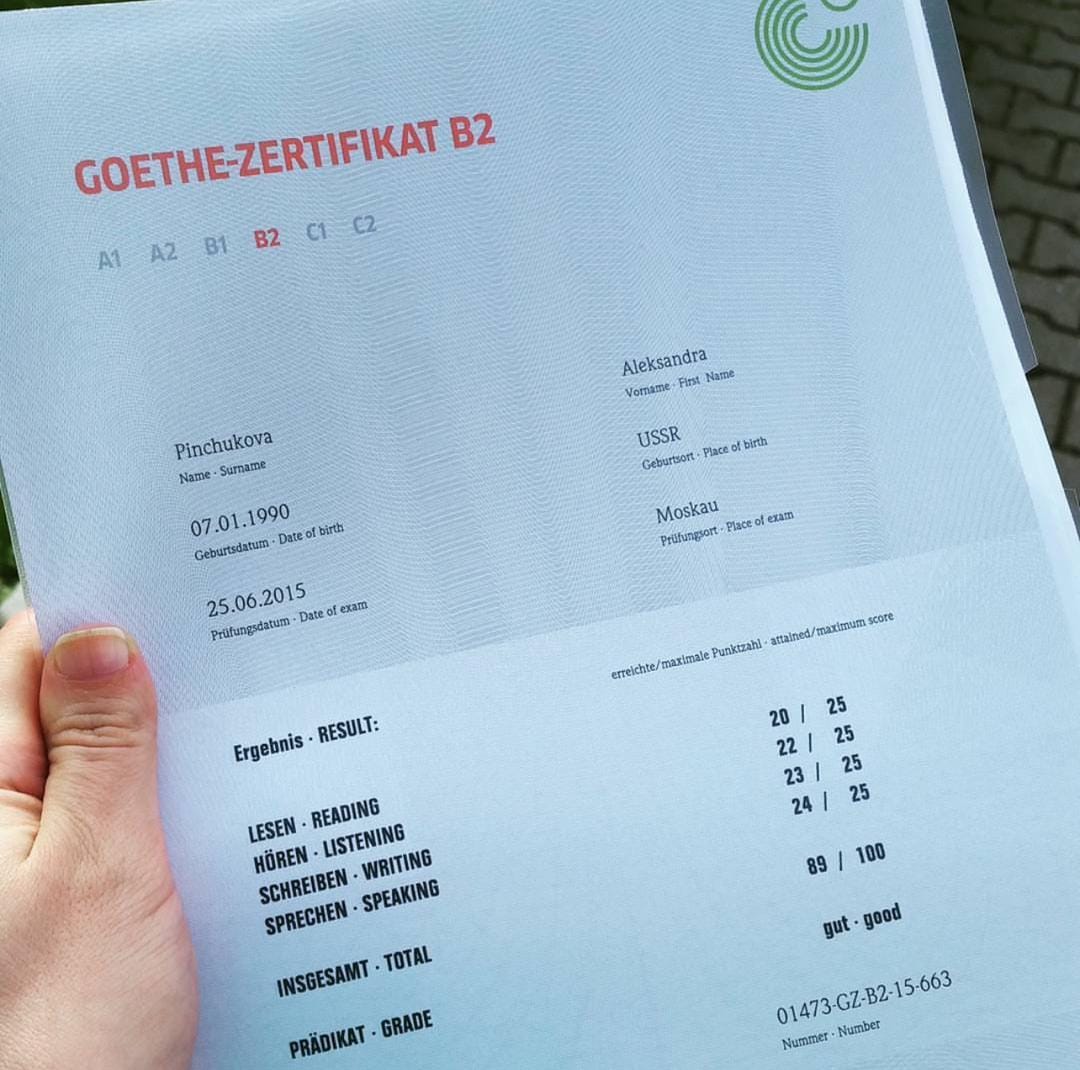
The Goethe Certificate, recognized globally, is a vital credential for anyone making every effort to demonstrate their efficiency in the German language. Named after Johann Wolfgang von Goethe, this certificate serves not just as an evidence of language abilities but likewise as an entrance to scholastic, expert, and cultural chances in German-speaking nations. This blog post explores the subtleties of the Goethe Certificate, its various levels, the examination process, advantages, and frequently asked questions.
What is the Goethe Certificate?
The Goethe Certificate is administered by the Goethe-Institut, a non-profit German cultural association that promotes the study of the German language abroad and encourages worldwide cultural exchange. The certificate validates a candidate's proficiency throughout different levels of the Common European Framework of Reference for Languages (CEFR), which varies from beginner to advanced stages.
Levels of the Goethe Certificate
The Goethe Certificate provides assessments across 6 levels, categorized as follows:
| Level | CEFR Equivalent | Description |
|---|---|---|
| A1 | A1 | Novice: Basic understanding and use of daily expressions. |
| A2 | A2 | Elementary: Ability to interact in easy, regular jobs. |
| B1 | B1 | Intermediate: Ability to comprehend and produce basic linked text. |
| B2 | B2 | Upper Intermediate: Ability to interact successfully in a range of contexts. |
| C1 | C1 | Advanced: Competence in complicated texts and concepts with ease. |
| C2 | C2 | Skilled: Mastery of the language, including nuanced understanding. |
These levels offer a structured format for learners to assess their language skills and set attainable goals for progression.
Examination Process
Structure of the Exam
Each level of the Goethe Certificate exam includes numerous parts developed to evaluate different elements of language efficiency. The structure is usually as follows:
- Listening Comprehension: Candidates listen to audio recordings and respond to concerns to demonstrate their understanding of spoken German.
- Reading Comprehension: Written texts are examined, and understanding is evaluated through questions.
- Composing: Candidates compose essays or total tasks that require them to express their thoughts coherently in written German.
- Speaking: This element evaluates the prospect's capability to participate in a conversation, express viewpoints, and talk about various topics.
Registration and Preparation
To register for an exam, prospects need to find a regional Goethe-Institut or licensed testing center. Preparation can take numerous forms, such as self-study, classroom courses, or online resources. Experimenting main Goethe materials is extremely recommended, as it acquaints prospects with the exam's format and requirements.
Advantages of Holding a Goethe Certificate
- International Recognition: The Goethe Certificate is acknowledged worldwide, enhancing a candidate's resume for task applications or instructional admissions.
- Academic Opportunities: Many German universities require evidence of German proficiency, frequently pleased by the Goethe Certificate.
- Cultural Exchange: The certificate cultivates engagement in cultural and social activities in German-speaking regions.
- Individual Growth: Achieving efficiency can enhance one's understanding of the German culture, literature, and viewpoint.
- Profession Advancement: Bilingual professionals are highly sought after in the worldwide job market, particularly in sectors like tourist, worldwide organization, and education.
Extra Resources for Preparation
- Goethe-Institut Courses: Various courses customized to specific levels and requirements.
- Online Platforms: Websites such as Duolingo or Babbel offer language courses and practice workouts.
- Research study Groups: Joining or forming study hall can provide motivation and peer support.
- Authorities Practice Tests: These are readily available on the Goethe-Institut's website to acquaint prospects with the exam structure.
Frequently Asked Questions (FAQ)
1. What is the credibility period of the Goethe Certificate?
The Goethe Certificate does not have an expiration date; nevertheless, some organizations might require a renewa-l assessment after a number of years, especially if the prospect has not used their language skills.
2. Can I retake the exam if I do not pass?
Yes, prospects can retake the exam as often times as required. It's advisable to prepare completely before attempting to retake.
3. The length of time does it require to get ready for the Goethe exam?
Preparation time differs based on the individual's beginning level. Normally, it ranges from a few months for the A1 level to a year or more for greater levels, depending on the devotion and resources utilized.
4. How can I find the closest Goethe-Institut?
The Goethe-Institut has a detailed website where you can locate the closest center based upon your geographical area. Just visit their site and utilize the search function to find a suitable place.
5. What materials are advised for exam preparation?
The Goethe Institute provides practice products, student books, apps, and online resources that are specifically developed for each level, which can be immensely handy in getting ready for the exam.
The Goethe Certificate stands as a testimony to one's devotion and proficiency of the German language. It opens doors to many academic and expert opportunities while enriching one's understanding of a vibrant culture. Whether you're aiming to advance your profession, research study at a German university, or just delight in the charm of the language, preparing for and getting the Goethe Certificate is a deserving pursuit. With the right preparation, commitment, and resources, attaining efficiency in German with the Goethe Certificate is a goal within reach.
- 이전글우즐성약국 시알.리스구매후기 - 실데나필 구입 - 비아몰 VIAMALL - 파워약국 25.12.25
- 다음글789bet เครดิต ฟรี ทาง เข้า 789bet 25.12.25
댓글목록
등록된 댓글이 없습니다.
